
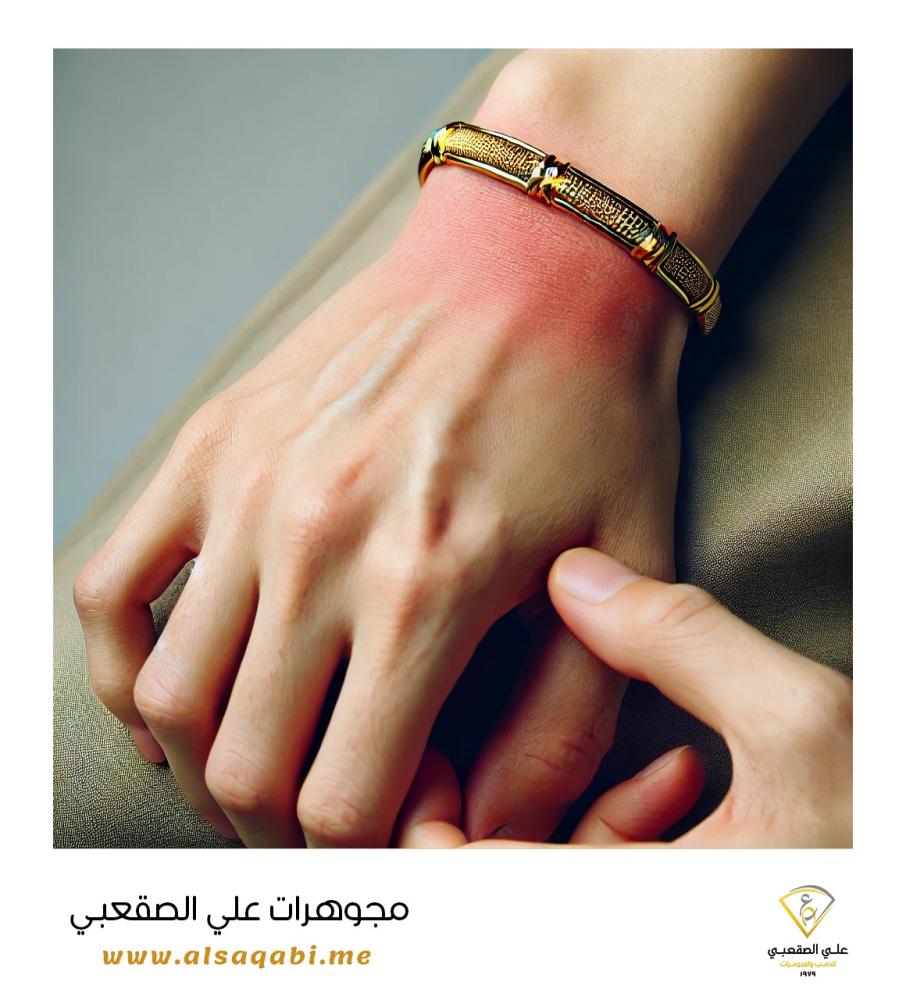

Yes, gold can cause allergic reactions in some people, but this is rare. Pure gold (24 karat) rarely causes allergies because it is non-reactive. However, jewelry made of gold may contain other metals such as nickel or copper, which may cause allergic reactions in some people.
Common causes of gold allergy:
- Nickel : Used in gold alloys to enhance durability and may cause allergic skin reactions.
- Cobalt : Sometimes used and can cause similar reactions.
Symptoms of gold allergy:
- itch
- skin redness
- swelling
- Blisters
If you have a metal allergy, you can choose pure gold or nickel-free jewelry to reduce the risk of skin reactions.
Treating a gold skin allergy requires some steps to relieve symptoms and prevent future reactions. Here's how to treat a gold skin allergy:
Immediate steps
- Removing jewelry :
- Immediately upon noticing any symptoms such as itching, redness or swelling, remove the offending jewelry.
- Cleaning the affected area :
- Gently wash the affected area with lukewarm water and mild, unscented soap to remove any residue that may be causing the allergic reaction.
- Use of anti-allergy creams :
- You can use over-the-counter steroid creams, such as hydrocortisone, to reduce itching and swelling.
- Antihistamine ointments may also be used to relieve symptoms.
- Applying cold compresses :
- Applying cold compresses to the affected area can help relieve itching and inflammation.
Preventive measures
- Choosing nickel-free jewelry :
- Make sure to choose jewelry made from nickel-free metals, such as 18- or 24-karat gold, platinum, or titanium.
- Jewelry plating :
- Applying a thin layer of clear nail polish over the jewelry can help prevent skin contact with the allergenic metal.
- Batch test :
- If you suspect you have a specific allergy, you can consult a dermatologist for a patch test that can determine which substances trigger your allergy.
When to see a doctor?
- If symptoms do not improve after following these steps, or if symptoms are severe such as large swelling or blisters, it is best to consult a dermatologist.
- If you have recurring allergies to multiple types of jewelry, it may be helpful to consult a doctor to determine the appropriate treatment or change the type of jewelry you wear.
For more information, you can visit trusted resources such as Mayo Clinic and DermNet NZ to learn more about how to manage metal allergies.
