
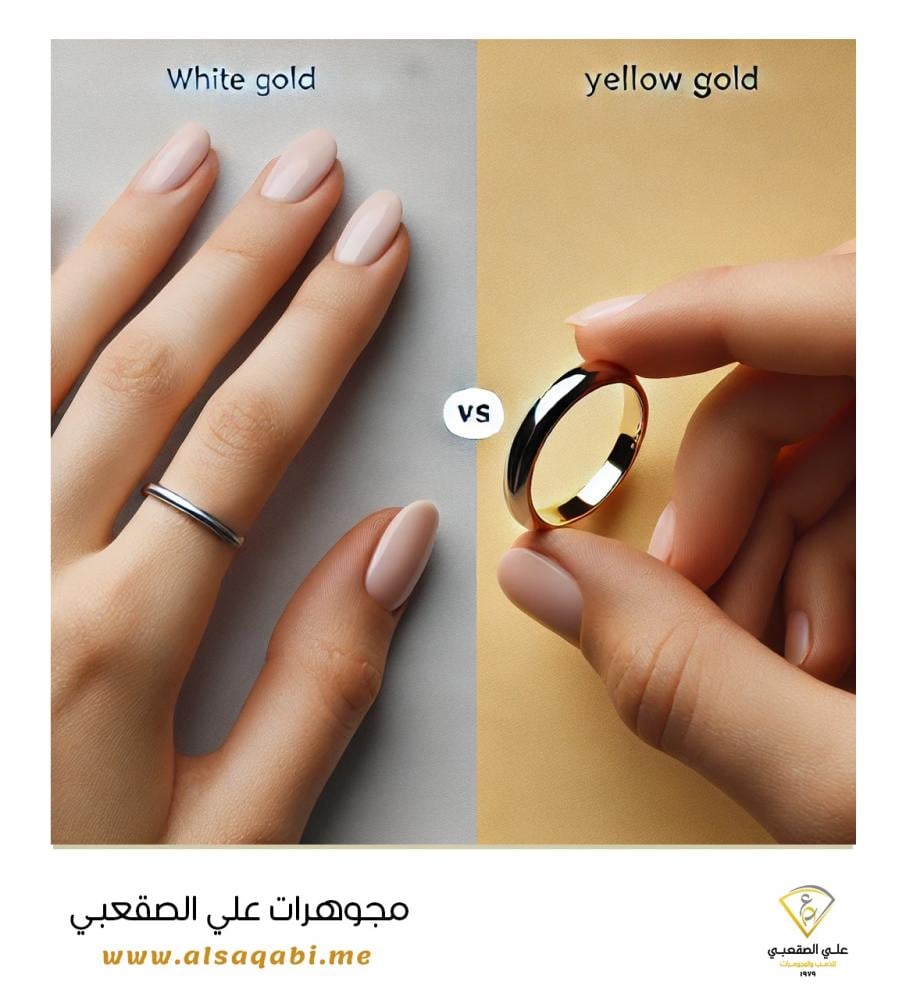

What is white gold and how is it different from yellow gold?
white gold
Composition:
- White gold : It consists of pure gold (usually 75%) mixed with white metals such as nickel, palladium, or silver. These metals are added to enhance the durability of the gold and give it its silver color.
- Rhodium Plating : White gold is plated with a thin layer of rhodium to give it a brilliant shine and protect it from scratches and corrosion.
Features:
- Color : It has a shiny silver color thanks to the added white metals and rhodium plating.
- Durability : Harder and more scratch resistant than yellow gold thanks to added metals.
- Maintenance : It may need to be re-rhodium plated periodically to maintain its shine and luster.
Yellow gold
Composition:
- Yellow gold : It consists of pure gold mixed with metals such as copper and zinc. These metals are added to preserve the gold's natural color and increase its durability.
- Natural Color : Maintains its bright golden color without the need for additional polish.
Features:
- Color : It is characterized by its warm and distinctive golden color.
- Flexibility : More flexible and less rigid than white gold, making it easier to shape and sculpt.
- Maintenance : It does not require regular maintenance like white gold, but it can be scratched over time.
Key differences
- Colour : White gold has a shiny silver colour thanks to the rhodium plating, while yellow gold has a natural golden colour.
- Durability : White gold is harder and more durable thanks to added metals and rhodium plating.
- Maintenance : White gold needs to be re-plated with rhodium periodically, while yellow gold requires less maintenance but may scratch more easily.
Choosing the right gold
The choice between white gold and yellow gold depends on personal preference and the type of jewelry desired. Some people prefer white gold for its modern and elegant look, while others prefer yellow gold for its traditional and classic look.
