
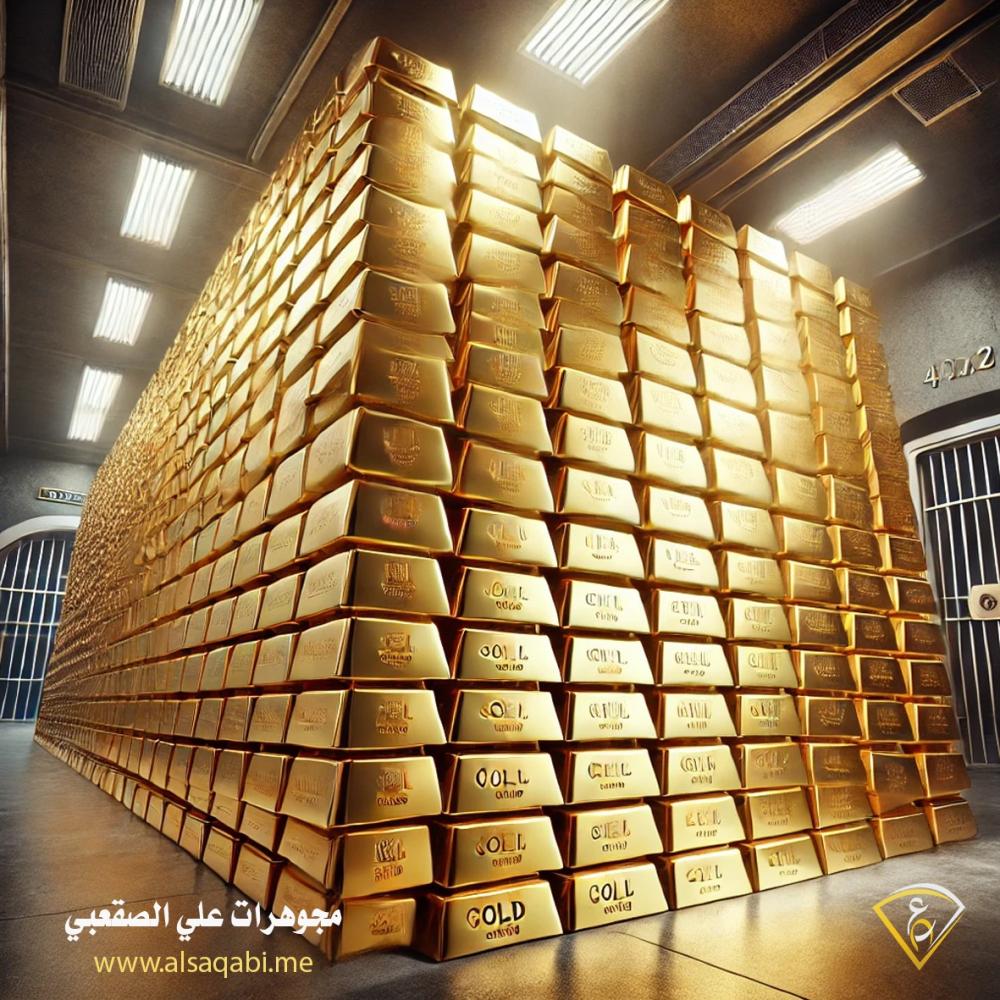

Gold plays a vital role in a country’s monetary reserves for several reasons related to financial and political stability, hedging against economic risks, and enhancing confidence in the national currency. Here is the importance of gold in a country’s monetary reserves:
1. Hedging against inflation
- Stability of value : Gold retains its value over time, making it an effective hedge against inflation. When fiat currencies weaken, the price of gold can rise, offsetting the loss in purchasing power of monetary reserves.
2. Diversification of reserves
- Diversification of risk : Adding gold to foreign exchange reserves helps diversify risk. Investments in gold can reduce a country’s exposure to currency fluctuations or depreciation of other assets.
3. Safe Haven
- Economic and political crises : During economic and political crises, gold is considered a safe haven. Governments turn to gold to protect the value of their reserves and enhance confidence in their financial stability.
4. Enhancing confidence in the national currency
- Monetary support : Having large gold reserves can boost confidence in a national currency, as gold is seen as a de facto backing for the value of the currency.
5. High liquidity
- Ease of sale : Gold is highly liquid in global markets. Countries can easily sell gold to obtain hard currency when needed.
6. Historical and cultural factors
- Historical Significance : Historically, gold has been used as a currency, cementing its status as an important part of monetary reserves. Cultures and traditions support the use of gold as a stable and secure asset.
Examples of countries
- United States : Has the largest gold reserves in the world, which enhances the role of the US dollar as the global reserve currency.
- Germany : Germany has the second largest gold reserves, as gold is an important part of its economic strategy to maintain financial stability.
- India : India relies heavily on gold in its reserves to support the Indian rupee and protect its economy from external fluctuations.
Conclusion
Gold plays a vital role in the financial and economic stability of countries, making it an integral part of countries’ monetary reserve strategies. Gold helps protect purchasing power, diversify risks, and enhance confidence in the national currency, especially during times of economic and political volatility.
